Drive-Thru Speed Analytics: How QSR Operators Are Cutting Wait Times with AI Video
Savi
Drive-thru speed is the single most measurable variable in QSR operations. Guests time it. Franchisors benchmark it. And in a margin-compressed environment, shaving 15 seconds off average service time is the difference between a profitable unit and one that is leaving money on the table.
The problem is that most operators are still measuring speed with timer systems that only capture car-at-window. That is a narrow view of a multi-stage process, and it misses the stages where time is actually being lost.
Where the Time Goes
A typical drive-thru order moves through five distinct stages: detection at the menu board, order placement, pull-forward, window service, and vehicle departure. Most timer systems only log stages three through five. The first two, which account for 30 to 45 percent of total service time at busy units, are invisible to traditional reporting.
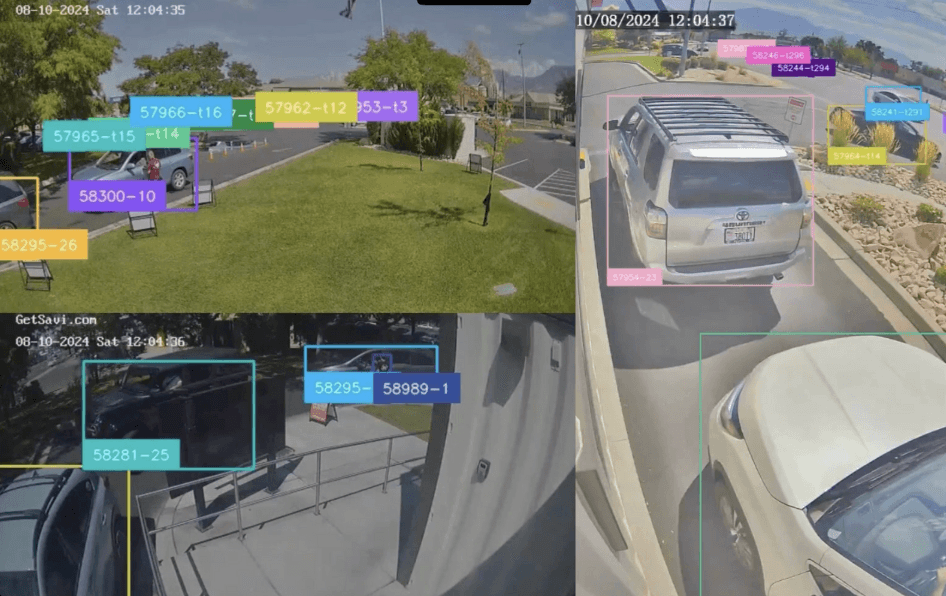
AI video analytics changes this by treating the entire lane as a data source. Cameras positioned at the menu board, stacking lane, and service window generate a continuous event stream. Computer vision models detect vehicle presence, classify behavior, and timestamp each stage transition. The result is a complete picture of where time accumulates and where it does not.
What Operators Are Actually Seeing
When Swig deployed Savi across its drive-thru locations, the operations team got visibility into order-to-departure time that their existing systems could not provide. The data surfaced a consistent pattern: peak-hour slowdowns were concentrated in the menu board stage, not at the window. That insight shifted how they staffed and sequenced orders during the lunch rush, and throughput improved as a result.
This kind of finding is common. The bottleneck is rarely where operators assume it is. Video-based analytics surfaces the actual constraint, not a proxy for it.
Benchmarking Across Locations
Multi-unit operators face a different challenge than single-location owners. The question is not just how fast is my drive-thru but how does it compare across 50 or 200 locations, and which units are dragging down the system average.
AI video analytics makes cross-location benchmarking possible at a granular level. Each camera produces the same structured event data regardless of location, so regional managers can sort units by stage-level performance rather than relying on aggregated timer scores. A unit with a fast window time but a slow menu board shows up differently than one with the reverse problem, and the intervention each requires is different.
Brand Compliance as a Speed Variable
Speed is not just a technology problem. It is also a compliance problem. Operators who have audited their drive-thru footage consistently find that procedural drift, staff positioning, and order-taking sequence vary more across shifts than they expect. A crew running a non-standard sequence adds 20 to 30 seconds per car during peak hours without realizing it.
Video analytics gives district managers the ability to audit compliance without being on-site. Behavioral detection flags when the standard sequence is not being followed, and that data feeds coaching conversations that would otherwise never happen.
The Platform Decision
The cloud video dataset that powers drive-thru speed analytics is the same foundation that unlocks loss prevention, brand compliance, and guest behavior analysis. Operators who treat the camera network as a point solution for one use case will need to re-tool when they want to add the next one. Operators who treat it as a data infrastructure decision get each new capability without adding hardware or renegotiating vendor contracts. That is a compounding advantage at scale.
If you are managing 20 or more drive-thru locations and still relying on window-only timer data, the gap between what you are measuring and what is actually happening in your lanes is wider than you think.
See how Savi works across a multi-unit drive-thru operation. Request a demo.